Product
Does the product solve a clear shopper need and perform consistently as intended?

A practical CPG resource and curated showcase for the samples, decisions, pack proofs, and buyer evidence between first idea and retail readiness.
Not every concept advances. Every gate clarifies the work.
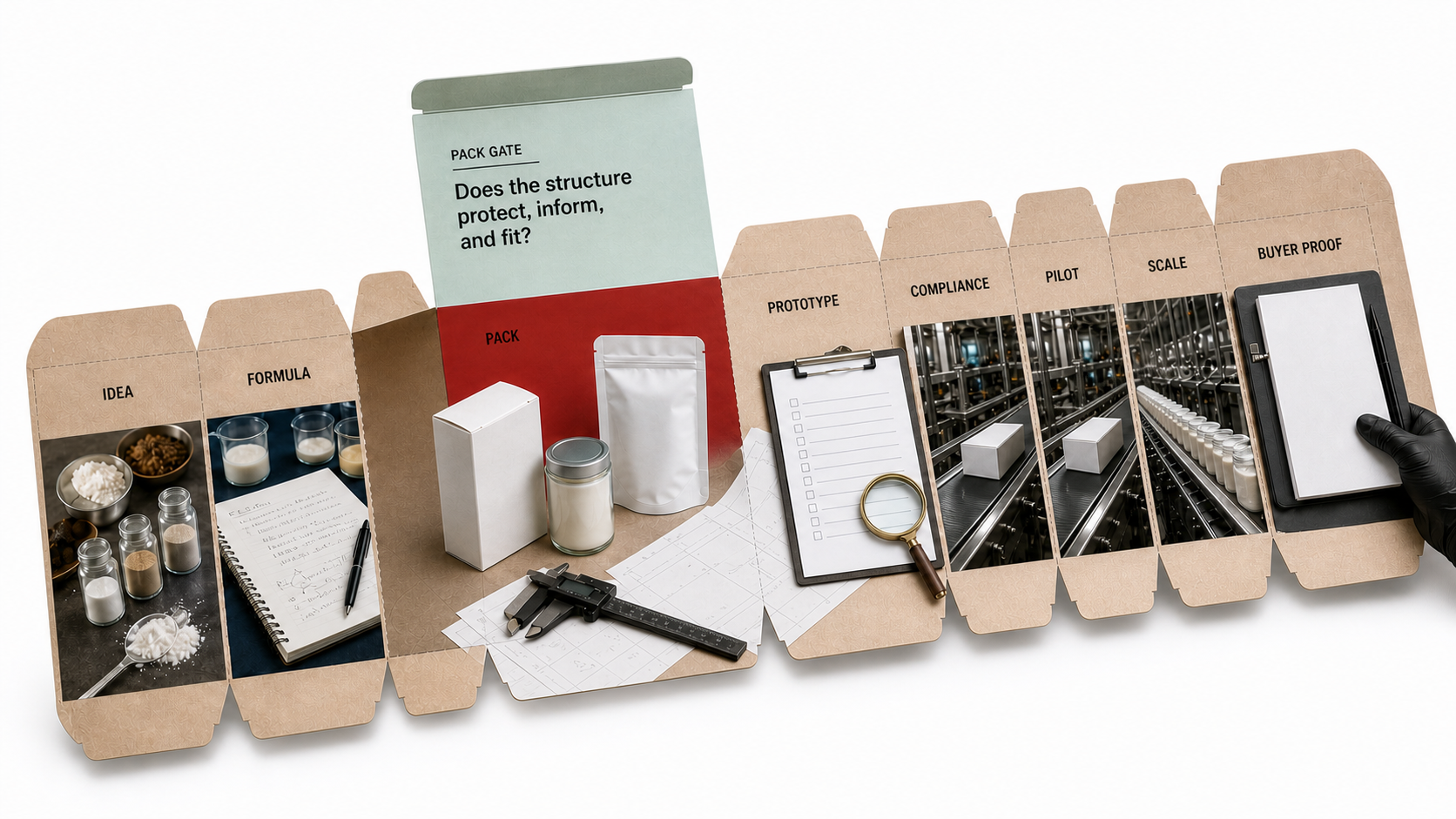
Does the product solve a clear shopper need and perform consistently as intended?
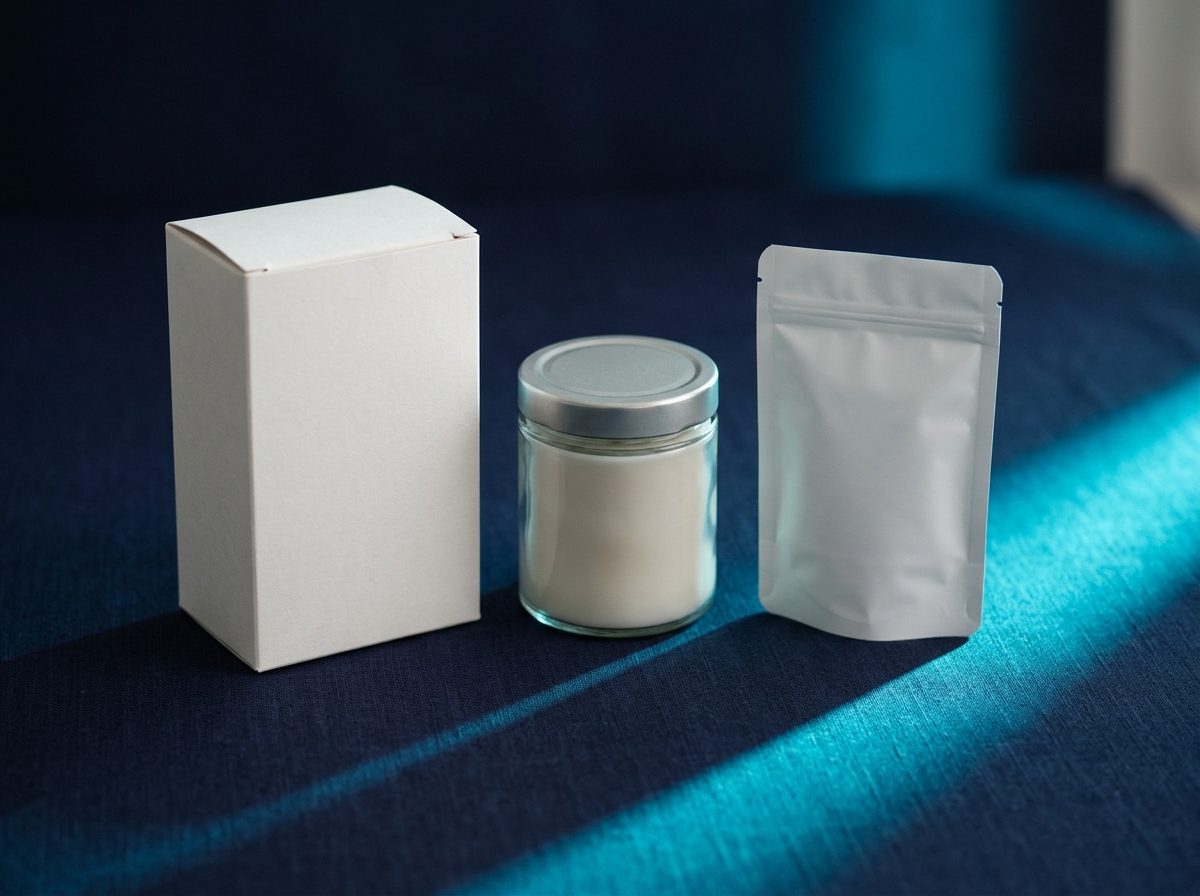
Does the structure protect, inform, and fit the intended shelf?
Is there enough evidence for a buyer to evaluate the opportunity?
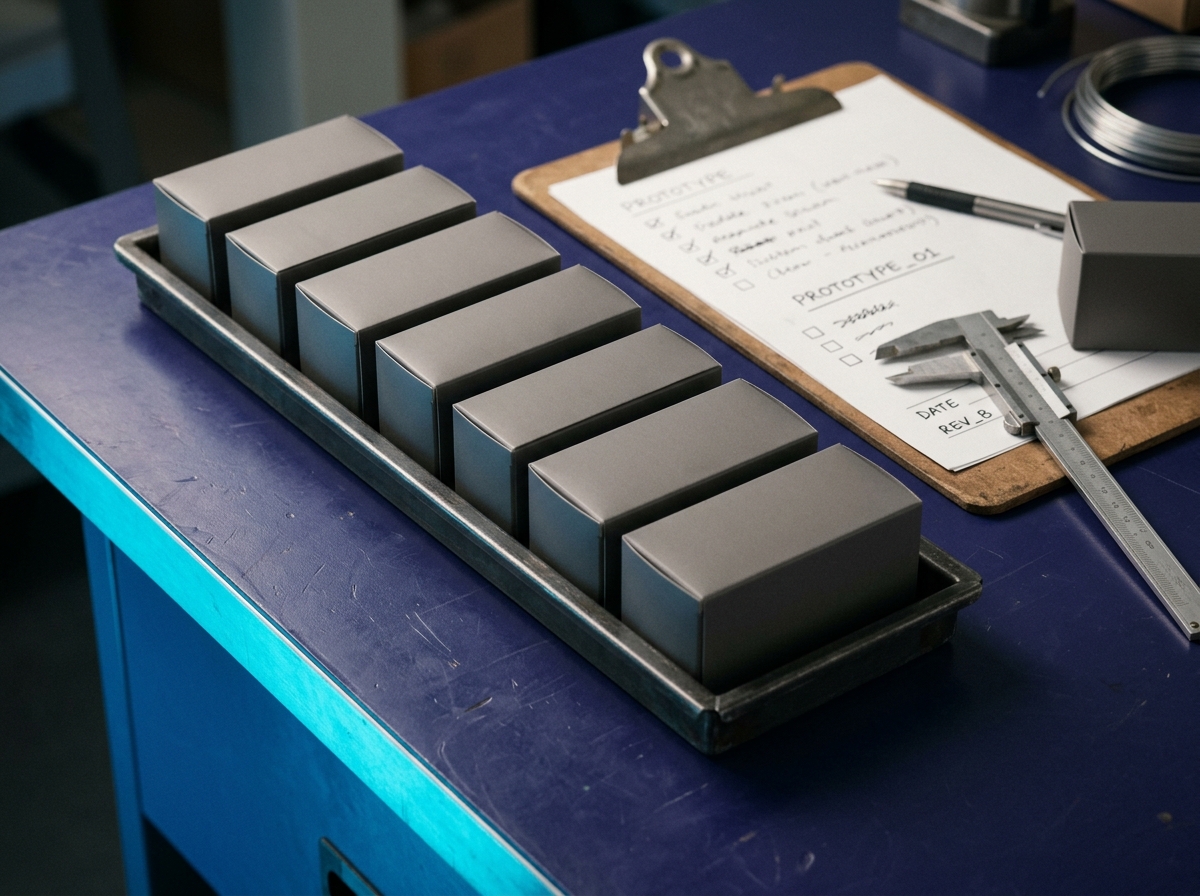
Evidence is reviewed; outcomes are not guaranteed.
Stage gates
Move forward only when the current decision is legible. A gate can advance, redirect, or stop the work.
Define the shopper, the unmet need, the intended use, and the reason the concept deserves another round of work.
Document ingredients, sensory intent, stability questions, sourcing assumptions, and the bench iterations still required.
Pressure-test format, material, label hierarchy, claims language, pack-out, and the intended shelf environment.
Produce first articles or a short run, record revisions, and turn assumptions into questions that can be tested.
Organize ingredient, allergen, nutrition, label, claim, and category questions for the appropriate legal, regulatory, and technical specialists.
Use a limited run to expose variation, labor, yield, quality, packaging, and cost assumptions before broader commitments.
Map supply, minimums, lead times, controls, margins, and the operational questions that arrive with a larger run.
Bring the product, pack, shopper, category fit, price logic, readiness, and open questions into one candid retail case.

Founder field guide
A raw idea, a bench sample, and a buyer meeting do not need the same proof. Start by locating the decision in front of you, then collect only the evidence that decision requires.
Make samples, assumptions, and changes traceable.
Early interest is useful evidence, not a guaranteed outcome.
Legal, regulatory, technical, and safety questions need the right reviewer.
Buyer evidence
A buyer-facing profile should reduce ambiguity without hiding the work that remains. The strongest case is specific about the product, the pack, the shopper, the intended channel, and the current stage.
What it is, who it is for, how it is used, and what evidence supports the core benefit.
Format, size, materials, label status, shelf fit, case configuration, and unresolved constraints.
Target shopper, category role, price logic, pilot context, readiness, and the next decision requested.
Curated showcases
A founder profile can bring samples, pack proofs, stage notes, and the buyer case into one legible view. It should clarify readiness and open questions—not imply placement, certification, or a guaranteed path to retail.
Introduce a product
Start with the current gate
Share the category, current stage, target shopper, and what has already been sampled or piloted. Use the note to introduce the work; it is not an application for guaranteed placement.